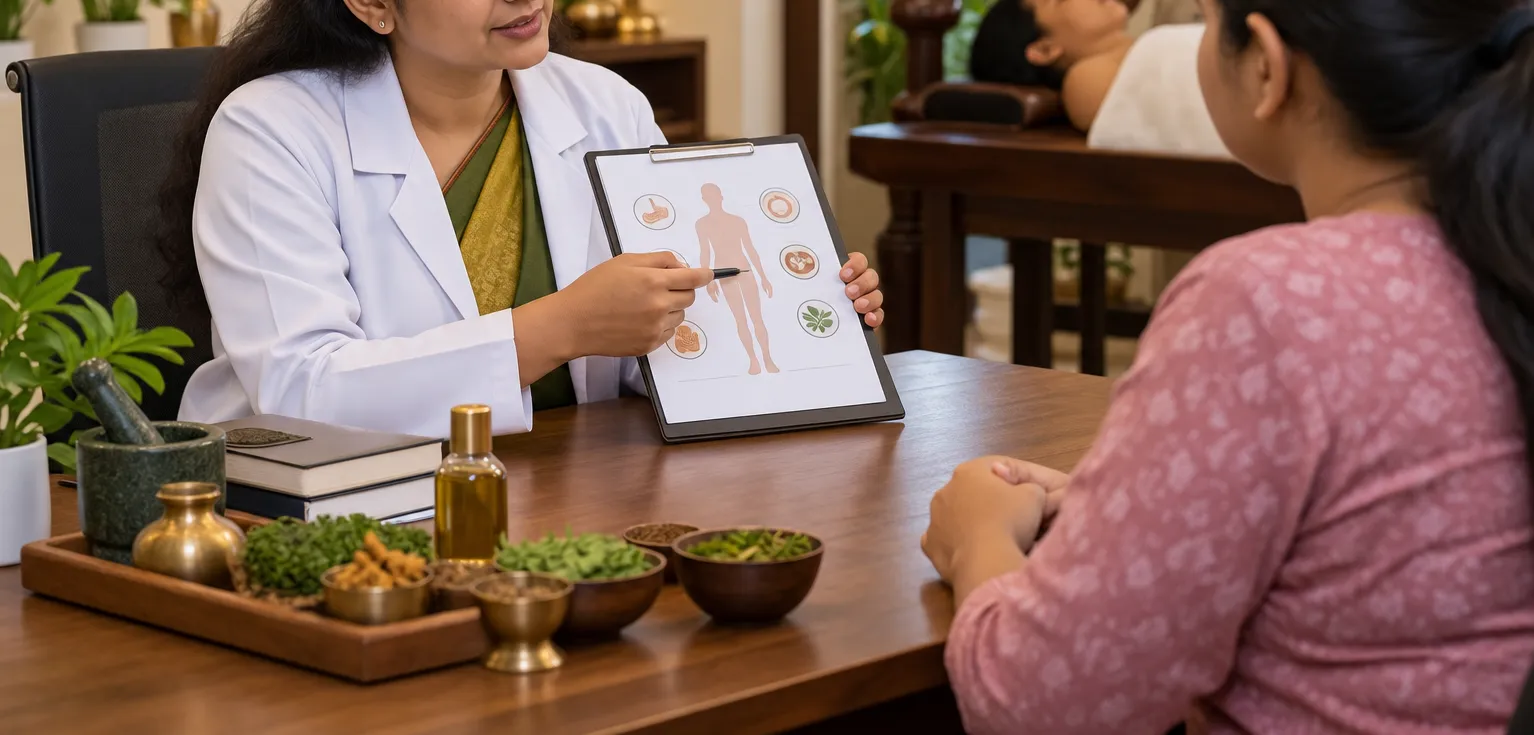
Preparing correctly can make a significant difference to the experience of undergoing Panchakarma. Unlike a one-time wellness session, Panchakarma may involve preparatory therapies, specific procedures, dietary adjustments, rest, and post-treatment care.
Understanding How to Prepare for a Panchakarma Treatment Program can help patients set realistic expectations and follow their Ayurvedic doctor's recommendations more effectively.
For people planning treatment in Chembur, Mumbai, Maharashtra, preparation should begin with a proper consultation rather than self-selecting therapies.
Start with a Detailed Health Assessment
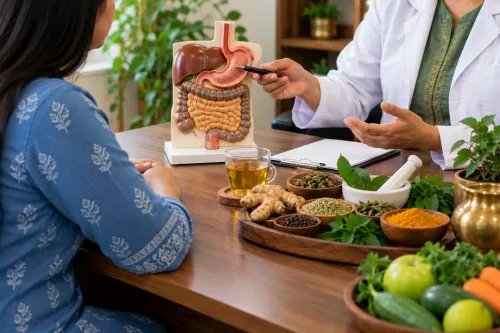
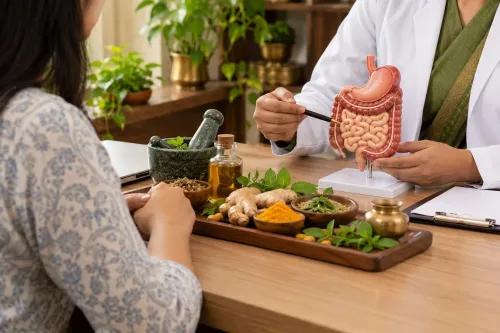
Before beginning Panchakarma, discuss your medical and health history openly.
Tell your Ayurvedic doctor about:
- Current medications
- Existing medical conditions
- Previous surgeries
- Allergies
- Digestive problems
- Recent illness
- Pregnancy status where applicable
- Supplements or herbal products currently being used
This information helps determine whether Panchakarma is appropriate and which procedures may be suitable.
Avoid Copying Someone Else's Program
Panchakarma should not be selected simply because a friend or family member had a particular treatment.
Ayurvedic recommendations can differ according to constitution, digestive strength, age, physical strength, symptoms, season, and treatment objectives.
A program designed for one individual may not be appropriate for another.
Organize Your Schedule
Some Panchakarma programs may require repeated clinic visits, dietary modifications, reduced physical strain, or additional rest.
Before treatment begins, understand how many visits may be required and whether you need to adjust work, travel, exercise, or social commitments.
Patients with busy professional schedules in Mumbai may find it useful to organize responsibilities before beginning the program.
Follow Food Recommendations
Dietary instructions may change during different stages of Panchakarma.
Your doctor may suggest simple foods, specific meal timings, or temporary dietary restrictions depending on the procedure.
Avoid introducing extreme fasting, juice cleanses, or restrictive diets unless specifically advised.
If you develop unusual weakness, dizziness, digestive difficulty, or another unexpected symptom, inform your healthcare provider rather than continuing without guidance.
Prioritize Rest
Panchakarma is not always the ideal time for heavy workouts, frequent late nights, or an exhausting travel schedule.
Depending on the treatment, your doctor may recommend adequate sleep, lighter activity, and reduced physical strain.
Creating a calmer schedule can make it easier to follow the treatment plan consistently.
Understand Post-Treatment Care in Advance
Preparation also means knowing what happens after the main procedure.
Ask your doctor about food, activity, exercise, bathing, sleep, and follow-up recommendations.
Returning immediately to heavy meals or highly demanding routines may not be appropriate after certain therapies.
Personalized Guidance Makes the Process Safer
Dr. Abhisha Patil at AyurBless Clinic can evaluate individual health needs before recommending a Panchakarma program.
Patients in Chembur and nearby Mumbai areas can discuss their symptoms, lifestyle, diet, and treatment expectations during consultation.
Learning How to Prepare for a Panchakarma Treatment Program is ultimately about approaching Panchakarma responsibly. Proper assessment, realistic scheduling, suitable diet, adequate rest, and adherence to professional guidance can help make the experience more structured and appropriate for the individual's health needs.
Keywords