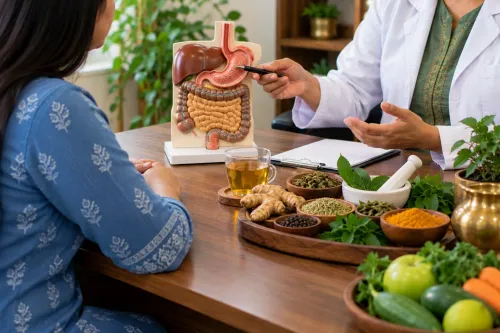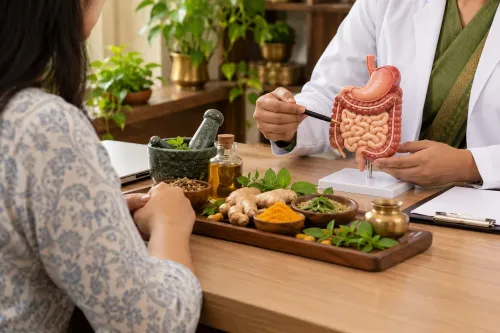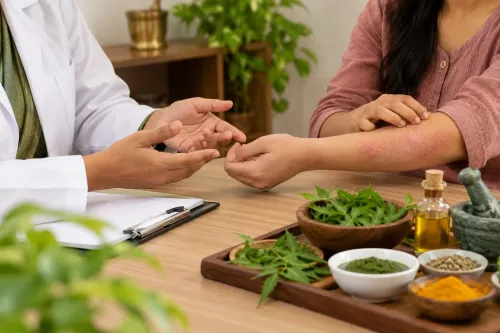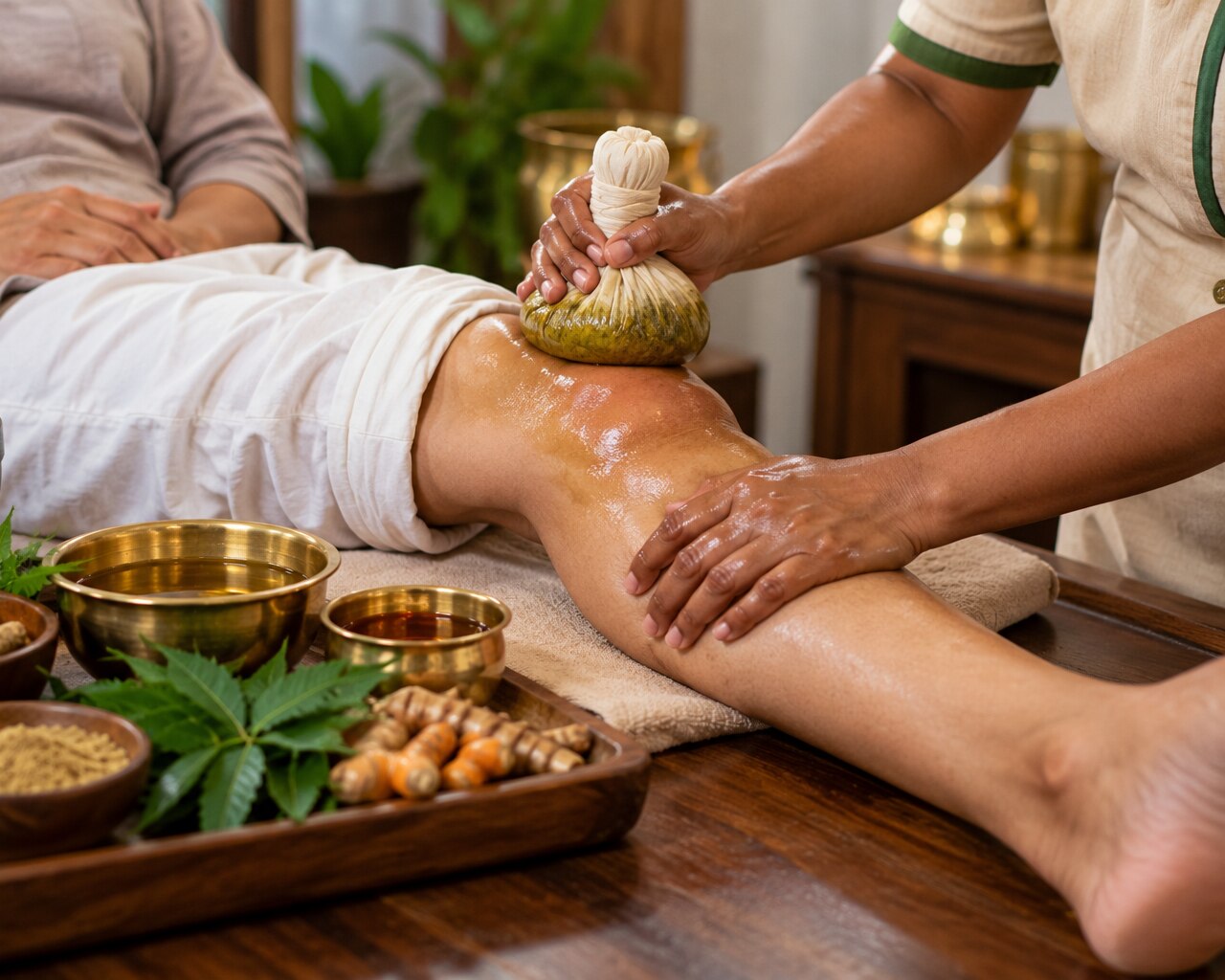
Joint pain does not point to one diagnosis, so the right Ayurvedic option depends on whether you have osteoarthritis, inflammatory arthritis, gout, a tendon problem, an injury, or referred nerve pain. By the end, you will know which assessments and treatments to discuss, how much follow-through they require, and when conventional medical care must come first.
Key takeaways
- Match treatment to the cause, not only an Ayurvedic dosha label.
- Rheumatoid arthritis needs prompt rheumatology care and disease-modifying medicines.
- Compare medicines, oils, procedures, exercise, and rehabilitation before choosing.
- Confirm the diagnosis and review every remedy with a qualified clinician.
Match the treatment to the joint problem
Treatment should follow the cause of joint pain, not a label such as “Vata imbalance” applied to every case. Osteoarthritis treatment can include exercise, strengthening, weight management, and supervised Ayurvedic options for comfort; rheumatoid arthritis needs prompt rheumatology care because DMARDs help prevent joint damage.
| Condition | How Ayurvedic care differs | Essential caution |
|---|---|---|
| Osteoarthritis | Tailored exercise, strengthening, yoga, external oils, or gentle Abhyanga may support pain and stiffness management. | Massage does not regrow cartilage or correct deformity; do not replace rehabilitation. |
| Rheumatoid arthritis | Ayurveda may support comfort and daily function alongside prescribed treatment. | Multiple swollen joints, symmetrical hand or foot symptoms, or morning stiffness lasting over 30 minutes require rheumatology assessment and DMARD review. |
| Gout | Diet and weight guidance may complement medical treatment after the attack is identified. | Sudden severe pain, redness, and swelling need assessment for crystal arthritis; do not delay urate-lowering or attack treatment. |
| Bursitis | For bursitis treatment Ayurveda, use rest from the provoking activity and gentle care only after infection or injury is excluded. | Avoid vigorous massage over a hot, swollen bursa. |
| Tendinitis | Reduce the aggravating load, then rebuild strength gradually; local oil application may provide comfort. | Persistent weakness or pain needs examination for a tendon tear. |
| Unclear or referred pain | Pause herbal or procedural treatment until the source is established. | Fever, marked warmth, weight loss, numbness, weakness, or a hot acutely painful joint warrants conventional medical assessment. |
Ayurvedic care fits best as adjunctive symptom management when the diagnosis is secure. A swollen joint, recent injury, or surgical site is not a safe target for routine massage.
What an Ayurvedic joint-pain assessment should include
A practitioner should establish what is causing the pain before assigning it to an Ayurvedic pattern such as Vata imbalance. Arthritis includes osteoarthritis, rheumatoid arthritis, gout, tendon disorders, bursitis, infection, and referred nerve pain, and each requires a different level of care.
1. Take a symptom history: onset, duration, injury, morning-stiffness length, swelling, heat, redness, fever, rashes, weight loss, numbness, and which joints are affected. Prolonged stiffness, several swollen joints, or symmetrical hand and foot symptoms require rheumatology assessment because rheumatoid arthritis can damage joints while pain relief leaves the disease active.
2. Perform a joint examination and movement assessment. The practitioner should check swelling, warmth, tenderness, alignment, muscle strength, stability, range of motion, gait, and signs that pain comes from a tendon, nerve, or nearby joint.
3. Review diagnoses, medical records, allergies, pregnancy status, kidney or liver disease, and every medicine or supplement. Give the exact product name, ingredients, and dose; curcumin can affect bleeding or stomach symptoms, and some Ayurvedic products contain lead, mercury, arsenic, or undisclosed pharmaceuticals.
4. Request or review tests when findings are unclear. Blood tests can include rheumatoid factor, anti-CCP antibodies, ESR, CRP, and serum uric acid; joint-fluid analysis can identify crystals or infection. X-ray, ultrasound, or MRI helps assess bone, cartilage, tendons, and inflammation.
A hot, red, suddenly painful joint, fever, or a new neurologic deficit needs prompt conventional medical assessment before any procedure.
Compare oral medicines, oils, procedures, and rehabilitation
Pain without swelling often permits symptom-focused care; a hot, red, suddenly swollen joint does not. Persistent swelling, fever, severe pain, unexplained weight loss, or new weakness needs conventional assessment before massage or herbs, because infection and crystal arthritis can damage a joint quickly.
| Option | Best fit | Limits and cautions |
|---|---|---|
| Oral Ayurvedic medicines | Longer-lasting pain or stiffness when a clinician has reviewed your diagnosis and medicines | Evidence is limited; concentrated turmeric or curcumin can increase bleeding or stomach symptoms, and some pain products contain undisclosed drugs. Share the exact product, ingredients, and dose. |
| External oils and Abhyanga | Mild stiffness, muscle guarding, and comfort between exercise sessions | Massage may temporarily ease symptoms but does not regrow cartilage or correct deformity. Avoid vigorous work over acute swelling, infection, recent injury, or surgery. |
| Janu Basti and other local procedures | Localised knee stiffness or aching without an unexplained hot swelling | These procedures support comfort and movement; they have not been shown to alter arthritis progression. Confirm the diagnosis first. |
| Swedana or Patra Pinda Sweda | Chronic stiffness when heat feels relieving and skin sensation is normal | Heat can aggravate active inflammation, reduced sensation, or some skin conditions. |
| Rehabilitation | Osteoarthritis, tendinitis, bursitis, and movement loss | Tailored strengthening, range-of-motion work, walking, yoga, and weight management require regular practice and remain core treatment. |
Rheumatoid arthritis needs rheumatology care and disease-modifying antirheumatic drugs; pain relief alone does not prevent joint damage. Prolonged morning stiffness or symmetrical hand and foot swelling should not be managed with Ayurveda alone. An unclear diagnosis calls for examination and, when indicated, X-ray, ultrasound, blood tests, or joint-fluid analysis before choosing a procedure.
Plan the treatment routine and protect yourself from avoidable risks
A safe routine starts before the first oil treatment: confirm the working diagnosis, agree on a measurable goal, and record every medicine and supplement you take. Massage, Swedana, or Patra Pinda Sweda should support—not replace—tailored exercise, strengthening, yoga, diet, weight management, and rehabilitation for osteoarthritis.
Before oral herbs or any Panchakarma procedure, ask exactly what will be used, how long, and what risks apply. Use this safety checklist:
- Show the practitioner your prescriptions, painkillers, anticoagulants, supplements, scans, and blood-test reports.
- Report pregnancy or breastfeeding, kidney or liver disease, bleeding disorders, allergies, diabetes, and planned surgery.
- Do not start metal-containing preparations, fasting, induced purging, vomiting, enemas, or nasal treatments without a clear medical rationale and supervision.
- Ask how to prepare, whether to eat or drink beforehand, how much recovery time you need, and which symptoms require stopping.
- Check the label for ingredients, batch details, expiry date, and an identifiable manufacturer. Avoid products promising to cure arthritis or replace standard care.
Keep a written pain, swelling, mobility, treatment, and side-effect log. Attend the follow-up after the agreed trial period, and review medicines whenever a new herb or procedure is added. Never stop a prescribed medicine without speaking to its prescriber.
Seek prompt conventional assessment for a hot, red, swollen joint, fever, sudden severe pain, unexplained weight loss, or new weakness or numbness.
Choose supervised care when the diagnosis or treatment decision is uncertain
If the diagnosis is unclear, choose supervised care rather than starting herbs, fasting, purgation, enemas, or strong external procedures on your own. Evidence for Ayurveda as a complete arthritis treatment remains limited, so use it alongside—not instead of—care that prevents joint damage or treats an acute attack.
| Situation | Safer decision | Why it matters |
|---|---|---|
| Stable, diagnosed osteoarthritis | Ayurvedic consultation as adjunctive care | Exercise, strengthening, rehabilitation, and weight management remain core treatments; oils or massage should not replace them. |
| Persistent swelling or several symmetrical swollen joints | Prompt conventional assessment, with Ayurveda only alongside it | Rheumatoid arthritis can damage joints silently; DMARDs and sometimes biologics address the disease, while pain relief alone does not. |
| Sudden hot, very painful joint | Urgent conventional care | Septic arthritis and crystal arthritis need rapid testing and treatment; delaying care can cause permanent harm. |
Treat prescribed medicines as part of the decision. Do not stop NSAIDs, corticosteroids, DMARDs, or biologics without the prescriber’s advice. Gout treatment may require colchicine for an acute flare and urate-lowering medicines for prevention; an Ayurvedic plan must not delay either when indicated.
Seek urgent assessment for these red flags:
- Fever with a red, hot, swollen joint
- Sudden severe pain or inability to bear weight
- Unexplained weight loss or a new neurologic deficit
Before oral herbs or metal-containing preparations, give the practitioner your medicine list and disclose pregnancy, kidney or liver disease, bleeding disorders, and planned surgery. AyurBless Clinic can be considered when you want this review documented and coordinated with existing medical care.
Frequently asked questions
How should you match Ayurvedic treatment to a joint problem?
Start with the cause and diagnosis. Osteoarthritis may involve exercise, strengthening, weight management, and supervised Ayurvedic care, while rheumatoid arthritis needs prompt rheumatology treatment because DMARDs help prevent joint damage.
What should an Ayurvedic joint-pain assessment include?
The assessment should cover the painful joint, symptom timing, swelling, stiffness, injury history, medical conditions, medicines, physical findings, and tests needed to distinguish osteoarthritis, rheumatoid arthritis, gout, infection, and other causes.
How do oral medicines, oils, procedures, and rehabilitation differ?
Oral medicines act throughout the body, oils provide topical treatment and massage, procedures require closer clinical supervision, and rehabilitation uses movement, strengthening, and function-focused exercises. The best choice depends on the diagnosis, risks, and treatment goals.
How can you reduce avoidable risks during Ayurvedic joint-pain treatment?
Use a planned routine, disclose all medicines and health conditions, avoid unverified products, confirm ingredients and dosing, and stop treatment for warning signs such as fever, severe swelling, sudden weakness, or a hot red joint.
When should you choose supervised care for joint pain?
Choose supervised care when the diagnosis is uncertain, the joint is hot or severely swollen, symptoms follow an injury, several joints are affected, symptoms persist, or treatment involves oral remedies, procedures, or possible interactions with prescribed medicines.