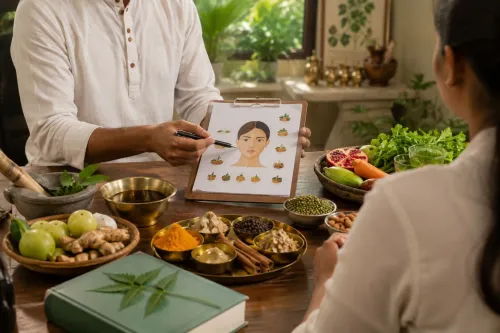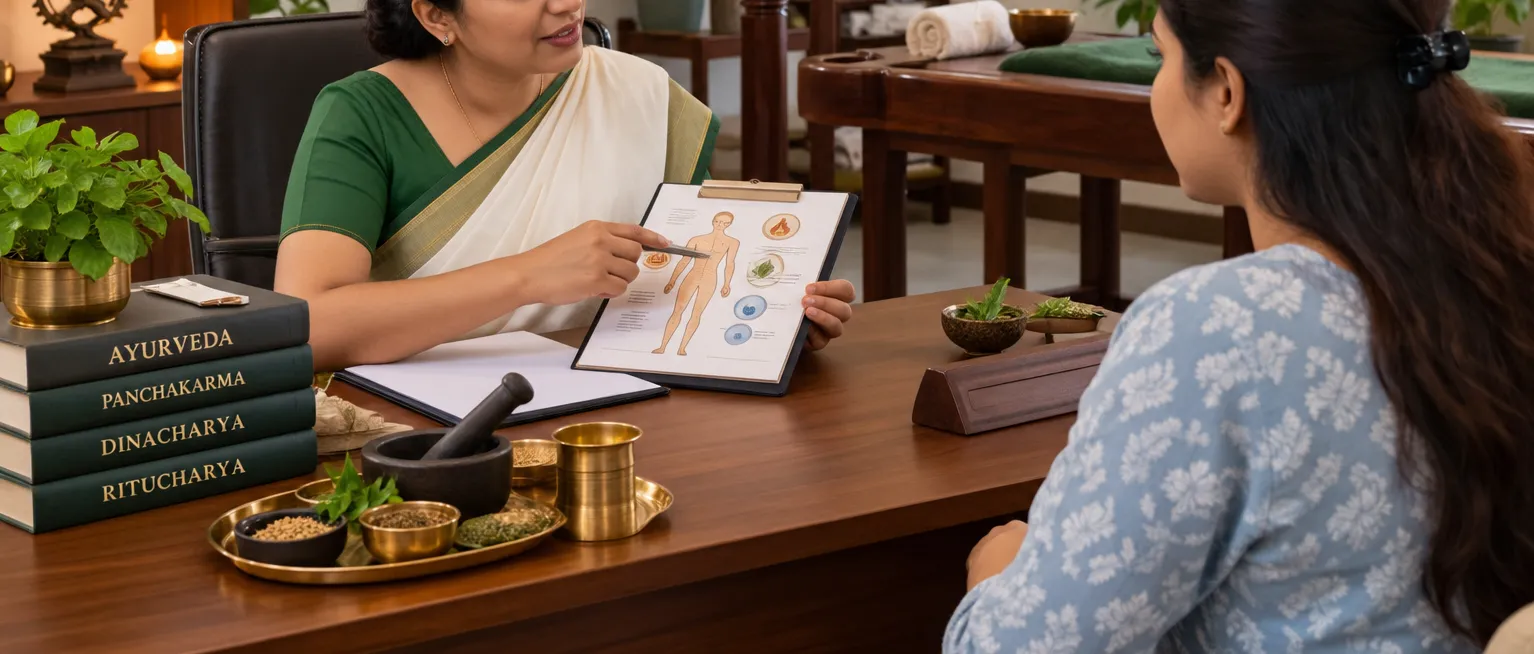
One of the most common questions among people exploring Ayurvedic therapies is How Often Should You Undergo Panchakarma?
There is no single schedule that is suitable for every person.
Panchakarma is a therapeutic Ayurvedic process, and its timing depends on factors such as age, constitution, health status, digestive strength, season, physical stamina, existing medical conditions, previous treatment response, and the reason for undergoing therapy.
For residents of Chembur and other areas of Mumbai, Maharashtra, an individualized consultation is more appropriate than following a fixed online schedule.
Panchakarma Is Not a Routine Spa Treatment
Some people assume Panchakarma should be repeated every few weeks or every season regardless of health status.
That is not an appropriate one-size-fits-all approach.
Different Panchakarma procedures have different purposes and require careful assessment. Even if a person previously completed a program without difficulty, another evaluation may be appropriate before repeating treatment.
Treatment Frequency Depends on the Individual
An Ayurvedic doctor may consider several factors before advising another Panchakarma program.
These can include:
- Current symptoms
- Overall strength
- Digestive health
- Age
- Constitution
- Lifestyle
- Existing diseases
- Medications
- Season
- Response to previous therapies
Two people with similar complaints may therefore receive very different recommendations.
Seasonal Panchakarma Is Not Automatically Necessary
Ayurveda traditionally considers seasonal changes important, but this does not mean that every individual requires intensive Panchakarma during every season.
Some people may benefit more from adjusting diet, sleep, physical activity, or daily routine.
Others may be advised specific therapies only when clinically appropriate.
More Frequent Treatment Does Not Always Mean Better Results
Repeating treatment unnecessarily is not automatically beneficial.
Panchakarma may require preparation, specific therapeutic procedures, dietary management, and recovery. The person's physical condition and readiness should therefore be considered each time.
If symptoms repeatedly return soon after treatment, it may also be useful to examine whether lifestyle habits are contributing.
For example, chronic sleep deprivation, irregular meals, persistent stress, low activity levels, or unsuitable food habits may need long-term modification.
When Extra Caution Is Needed
Individuals with chronic medical conditions, people taking regular medicines, older adults, individuals recovering from illness, and women who are pregnant or may be pregnant should provide complete health information before considering Panchakarma.
Treatment suitability may vary considerably.
Consultation Helps Determine the Right Interval
Dr. Abhisha Patil at AyurBless Clinic can assess whether Panchakarma is currently suitable and what interval may be appropriate based on individual needs.
For people in Chembur seeking Ayurvedic wellness support, this helps avoid unnecessary treatment and ensures that care is based on current health rather than a predetermined package.
So, How Often Should You Undergo Panchakarma? The answer depends on why you need it, your present health status, your previous response, and your Ayurvedic doctor's assessment.
A responsible approach focuses less on repeating Panchakarma according to a fixed calendar and more on choosing treatment only when it is suitable and clinically relevant.
Keywords