Panchakarma is a classical Ayurvedic cleansing process used to remove aggravated doshas and reduce Ama, a traditional Ayurvedic concept associated with incomplete digestion and metabolic imbalance. It is not a general wellness detox, a spa package, or a treatment that should be performed without medical supervision.
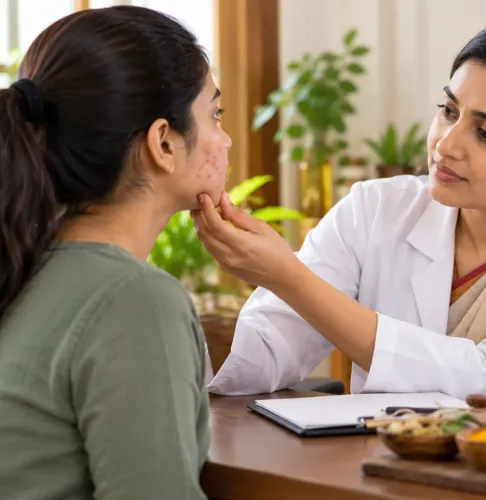
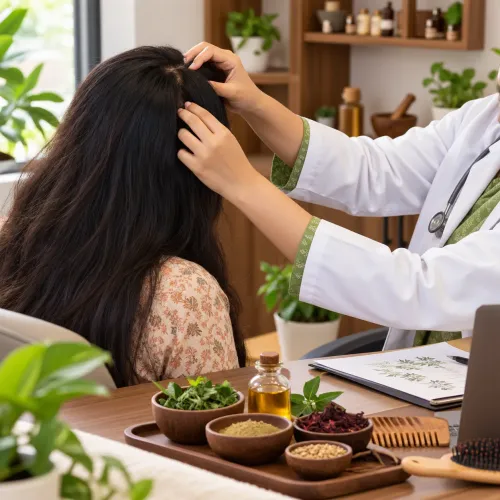
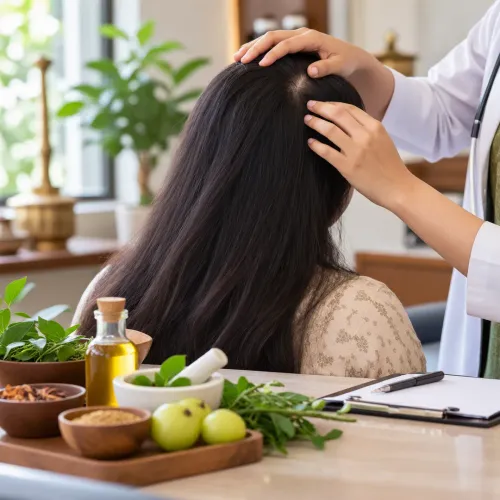
The process is planned only after an Ayurvedic physician evaluates the person’s digestive strength, physical capacity, health condition, age, medical history, and current dosha imbalance. At AyurBless Clinic in Chembur, Mumbai, Dr. Abhisha Patil recommends Panchakarma only when it is clinically suitable for the individual.
Why Does Ayurveda Recommend Detoxification?
Ayurveda gives considerable importance to Agni, or digestive and metabolic strength. When Agni becomes weak due to irregular meals, unsuitable food combinations, stress, disturbed sleep, or prolonged illness, the body may not process food and metabolic waste efficiently.
This may contribute to symptoms such as:
- Persistent heaviness
- Poor appetite
- Bloating or constipation
- Coated tongue
- Fatigue after meals
- Recurrent joint stiffness
- Seasonal allergies
- Sluggishness and reduced energy
These symptoms can have different causes, so Panchakarma is never recommended based on symptoms alone. A detailed examination is necessary to understand whether cleansing therapy is appropriate.
When Is Panchakarma Performed?
Panchakarma may be considered when dosha imbalance has become established and simpler measures such as dietary correction, herbal medicines, and lifestyle changes are not sufficient on their own.
Depending on the assessment, it may be included in the management of:
- Chronic arthritis and joint stiffness
- Cervical or lumbar spondylosis
- Sciatica and certain Vata-related pain conditions
- Recurrent digestive disturbances
- Selected skin concerns
- Chronic allergies or sinus-related complaints
- Some lifestyle-related disorders
- Seasonal cleansing for suitable individuals
Not every person with these conditions requires Panchakarma. Some may benefit more from Shamana treatment, which focuses on balancing the doshas through medicines, diet, and lifestyle without intensive cleansing.
How Does the Detoxification Process Work?
Panchakarma is usually performed in three stages.
Purva Karma
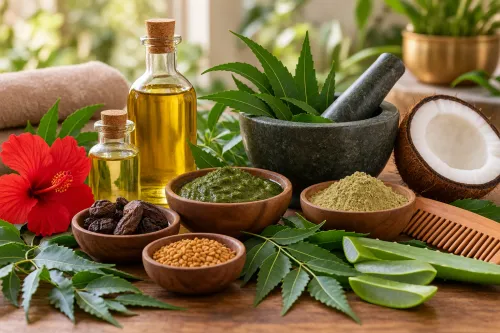
The body is prepared through therapies such as Snehana and Swedana. Snehana involves internal or external oleation, while Swedana uses therapeutic heat or steam. These measures help mobilize aggravated doshas from the tissues toward the digestive tract.
Pradhana Karma
The main cleansing procedure is then selected according to the dosha involved. This may include Vamana, Virechana, Basti, Nasya, or Raktamokshana. Most patients undergo only the therapy relevant to their condition.
Paschat Karma
After cleansing, the digestive system is gradually supported through a carefully planned diet, rest, herbal medicines, and follow-up guidance. Returning immediately to heavy food, strenuous work, or irregular routines can interfere with recovery.
Why Medical Supervision Is Essential
Panchakarma may not be suitable during pregnancy, acute fever, severe weakness, certain uncontrolled illnesses, or when digestive strength is poor. The duration can range from a few days to several weeks depending on the procedure and the patient’s condition.
For anyone exploring Panchakarma treatment in Chembur, Mumbai, the first step should be a detailed consultation. Dr. Abhisha Patil evaluates whether cleansing is required, which therapy is appropriate, and how preparation and aftercare should be planned safely.
Keywords